


In the past, social critics wrote tracts calling for change or published underground newspapers. The more violent assassinated national leaders. Today they leak classified information to the Internet.
Debate rages as to heroes and villains, constitutional rights and the necessity to know all we can about shadowy enemies. Certainly, secrecy is harder to come by.
The line is always fine between the openness needed for democratic governance and the secrecy required for certain operations. Legitimate reasons for secrecy range from stopping terrorist actions to negotiations that are best begun in secret when officials can be open and frank. They can speak uninhibited by the hype and hyperbole of the twenty-four hour news cycle—when every syllable must be carefully nuanced.
When I worked overseas for the U.S. State Department, I wrote classified reports, but they didn’t deal with state secrets or clandestine sources. Most reported on the welfare of Americans in foreign prisons or the children of American parents, children now living with foreign ex-spouses.
These narratives concerned the anguish of individual Americans caught in painful situations. They detailed private moments, not the plots you see in spy films. The subjects deserved their privacy. As all our secrets are indiscriminately vomited into cyberspace, perhaps private moments will no longer be possible.
What happens when individualism destroys all trust in our institutions? All ability to work privately? When we no longer allow institutions to function because we no longer understand their legitimate purposes? David Brooks poses and answers such questions in a recent column. A must read.
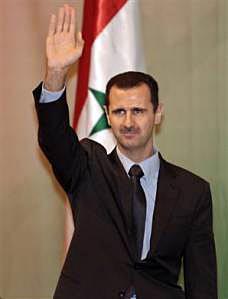 The war in Syria is a conundrum, a problem that appears to have no favorable resolution. The opposition, assaulted by a brutal dictator, plead for weapons to unseat Bashar al-Assad. Clinging to power appears to be Assad’s main goal in life, even if he must slaughter civilians to do it. The poorly-armed opposition asks for weapons to equalize the conflict.
 The use of chemical weapons is “a red line,” so we are told. What then is our response? What are our plans? We are weary of war. Chemical weapons apparently is the one step Assad could take which would bring retribution on him. But will we be able to act effectively?