


Rodney Stark distinguishes in his book, For the Glory of God, between high value religions and low value religions. Religions, he writes, that require stringent dedication from their followers also give much of what the followers value. Low value religions require low dedication from their adherents and give less of value in return.
Of course, just because a group requires commitment doesn’t mean that it is beneficial to society. Drug gangs and terrorist networks require a great deal of commitment. Some religious groups develop loyal members while encouraging dysfunctional practices based on hatred.
The writings of Walter Brueggemann speak to me of a high commitment, high value religion, a subversive Christianity. This Christianity is a Christianity that offers an alternative to the materialistic, pleasure-seeking society that surrounds us. It preaches a prophetic message, one that brings hope, purpose, and meaning in an age that grows more meaningless all the time. It actively includes the excluded.
High commitment and high value? Jesus lived it, and it cost him his life. But as Jim Elliot, who also gave his life in service, said: “He is no fool who gives what he cannot keep to gain what he cannot lose.”
 “Back then marriage was two families coming together in a kind of joyous celebration, at least in our case. Nowadays a couple of kids meet at a party and set up housekeeping together. Maybe we didn’t prepare our daughter for that kind of world.”
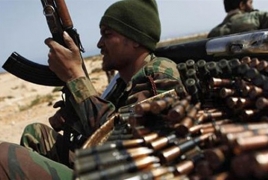 Give weapons to the moderate forces in Syria? How do we keep the weapons from falling into the hands of the region’s extremists, as may be happening now in Iraq. Once provided, weapons cannot be recalled like peanut butter jars from a factory that we discover has sprouted salmonella.

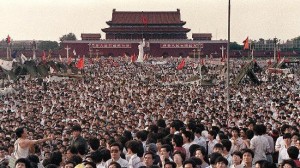 You may see the term “Tiananmen Square” frequently in the news this next week. A quarter century ago, a movement in that square in Beijing, China, for more democracy, was crushed by authorities in June, 1989. Hundreds of students are estimated to have been killed, perhaps more.
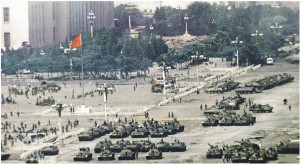 Spring, 1989, had seen the movement in China smothered by the military. However, in November of that same year, the barrier between East and West Germany in Berlin—”the Wall”—fell.
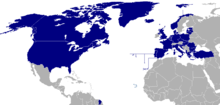 How about our democratic allies? What kind of people do these countries appoint as ambassadors TO the United States? According to a recent study of ambassadors from NATO countries (May 2014 issue of The Foreign Service Journal), not a single one serving at the time was politically appointed.