


Reading Ben Macintyre’s The Spy and the Traitor, I was tempted to yearn for those Cold War days when friends and enemies and goals seemed more easily defined.
Macintyre’s recounting of a Soviet Union diplomat who spied for Britain during the Cold War is both fascinating and a bit nostalgic. We knew who our enemy was. In the United States, Democrats and Republicans actually cooperated for the good of the country.
Most important, World War III did not happen. Unlike the first half of the twentieth century, neither superpower desired a major war, though misunderstandings and challenges brought that war perilously close at times. The spy’s courage in passing information about our enemies may have contributed to this avoidance of a nuclear war.
Yet even while the glory days of the late 1980’s and early 1990’s played out, forces emerged to challenge our smugness. Racial sins haunted and divided us. Respect for our history too often turned into a worship of country. New role models challenged old ideas.
No need to yearn for the past. Struggles, temporarily hidden by those Cold War days, have emerged, requiring our attention, finally.
The problems we face today call for the same courage shown then by leaders of both parties: respect for those with whom we disagree; avoidance of self-serving propaganda; disregard for unfounded allegations spread today by social media.
We are all fallible human beings. No one of us has perfect truth. A respectful coming together with a bit of humility may overcome dangerous trends toward demagoguery.

 American citizens built bomb shelters and wondered if their children would have a future. Christians feared the Soviet Union’s embrace of atheism.
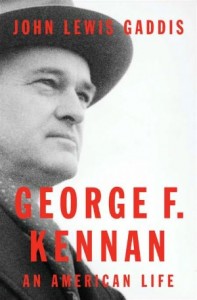 The book, which won the 2012 Pulitzer Prize for biography, brings alive those times of fear bordering on hysteria. It hints of policies which might serve us in our current conflict.