


A previous post “The Graveyard of Empires” pointed to the number of empires throughout history that bogged down after entry into the Middle East. But the Middle East continues to thrust itself onto the world’s stage, like some black pestilence.
Today, it’s the horrendous deaths in Syria apparently caused by a gas attack on civilians. Most nations are condemning the attacks, and especially Bashar al Assad’s rule there, abetted by Russia.
Perhaps things will change, but as of now, no one appears to know what to do to prevent future attacks. No one wants to own the problem.
Recent interventions to “fix” international problems have often made them worse. Unlike World War II, a powerful alliance working together seems nonexistent. Militarily, an immediate fix might tumble Assad, but where’s the will for another Marshall Plan? That effort, after World War II, used billions in aid, not for war, but to build the economies and governments of post war Europe.
The saying is: “If you break it, you fix it.” And no one wants to risk the cost of fixing Syria.
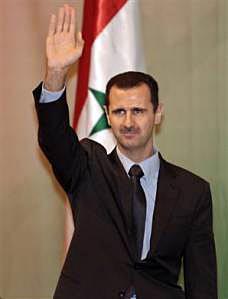 The war in Syria is a conundrum, a problem that appears to have no favorable resolution. The opposition, assaulted by a brutal dictator, plead for weapons to unseat Bashar al-Assad. Clinging to power appears to be Assad’s main goal in life, even if he must slaughter civilians to do it. The poorly-armed opposition asks for weapons to equalize the conflict.
 The use of chemical weapons is “a red line,” so we are told. What then is our response? What are our plans? We are weary of war. Chemical weapons apparently is the one step Assad could take which would bring retribution on him. But will we be able to act effectively?